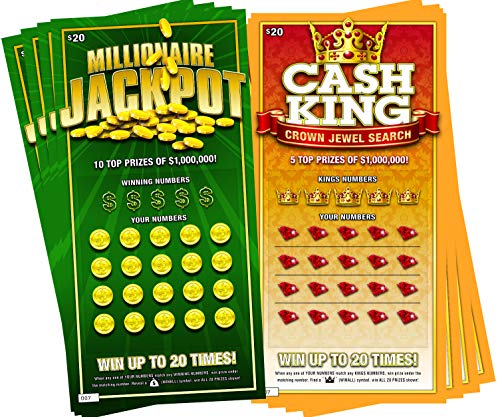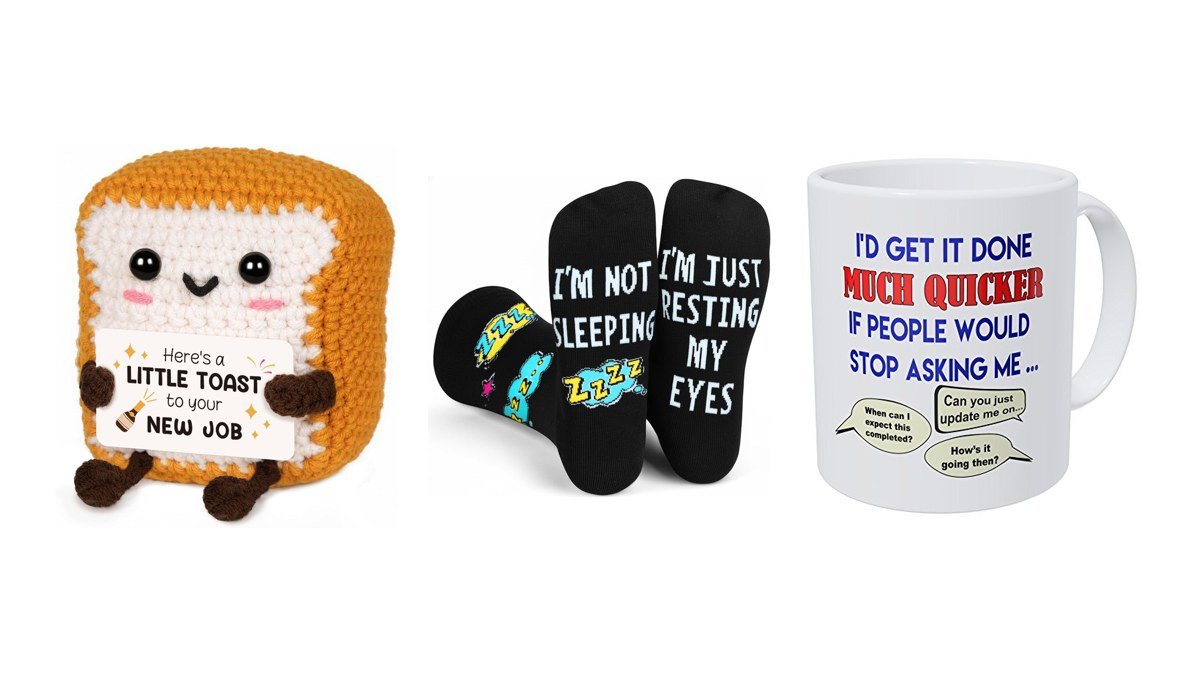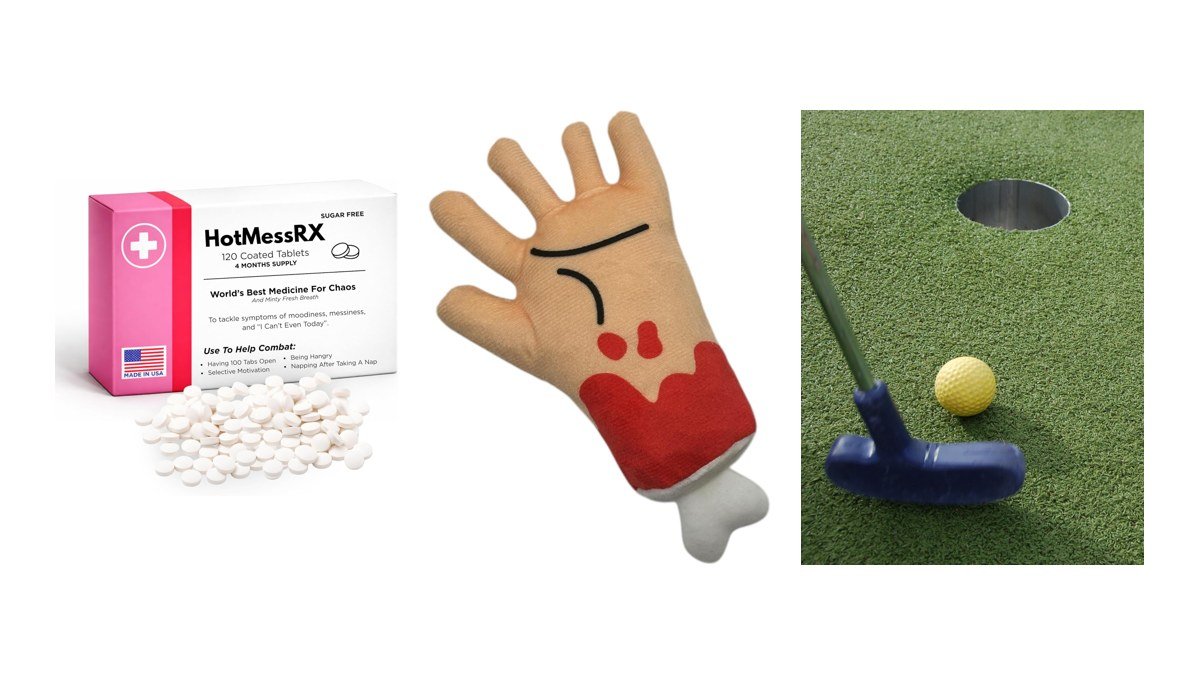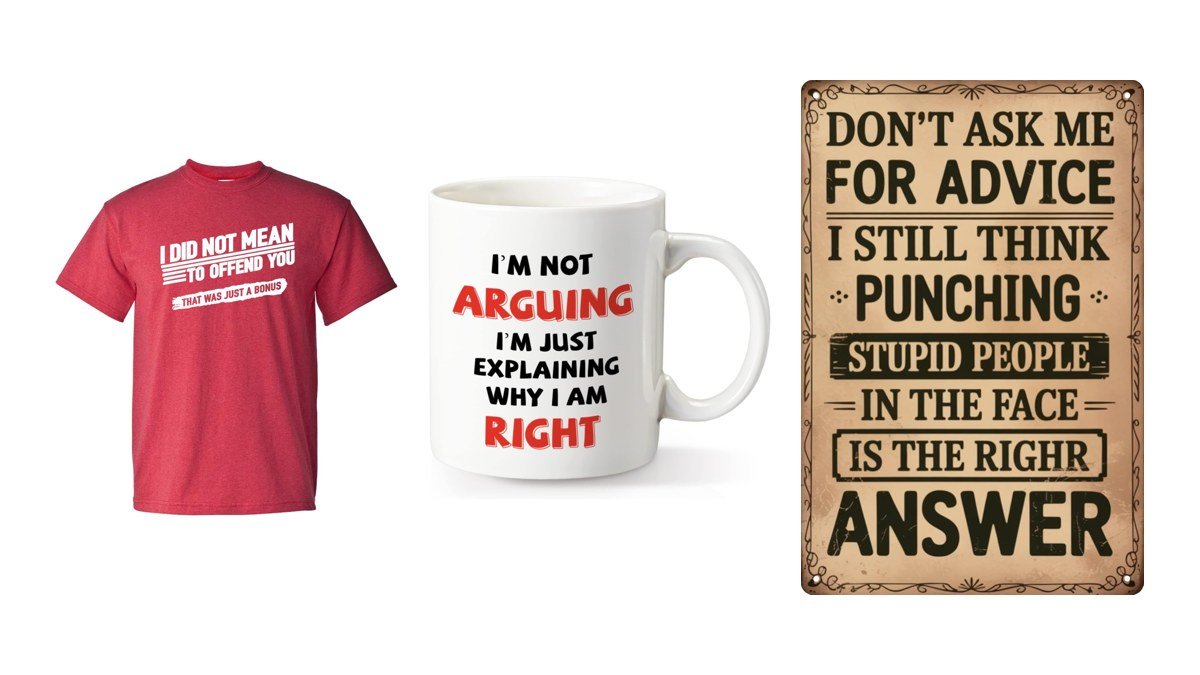
Gag gifts have a bad reputation they’ve partly earned. For every gag gift that lands — that produces genuine laughter, that gets referenced for years, that becomes a running joke — there are five that produce polite smiles and immediate regret from both giver and recipient. The difference between a gag gift that’s actually funny and one that’s just awkward is often smaller than people think, but it’s significant. This guide breaks down what makes gag gifts work, what makes them fail, and how to find the ones that genuinely deliver.
What Makes a Gag Gift Actually Funny
Humor scholars (yes, they exist) have identified several key components of effective comedy: surprise, subverted expectations, incongruity, and — crucially — a moment of recognition where the audience understands the joke. Gag gifts that work typically deploy all of these. The best gag gifts are:
Immediately legible: The joke is visible without explanation. If you have to explain why it’s funny, it isn’t. A gift that’s funny from the moment it’s unwrapped beats a gift whose humor requires context, setup, or a knowledge of inside jokes that only two people share.
Specific to the recipient: Generic gag gifts are hit or miss. A gag gift calibrated to the recipient’s specific obsessions, quirks, or life situation always lands better because it demonstrates that the giver was paying attention. A generic “Office Survival Kit” is fine; a specific reference to a co-worker’s particular kitchen habits is better.
Absurd but coherent: The best gag gifts have an internal logic. They take a real thing — a common frustration, a universal experience, a well-known product category — and push it somewhere unexpected. A tissue box shaped like a crying face. A motivational poster with aggressively un-motivational text. These work because they start in a familiar place before turning into something strange.
Physically present: Gag gifts work best as objects, not experiences or services. The physicality of a weird object — the moment of unwrapping, the weight and texture of something unexpected — creates the comedic beat that makes people laugh. Digital gag gifts are a diminished category.
Gag Gift Categories That Actually Work
Food and Drink Novelties
Food is universally relatable and food jokes are widely safe. Novelty food gifts — hot sauce with aggressively escalating names and heat levels, candy in unsettling flavors (pickle, pizza, bug), energy drinks with ridiculous claims — work across most age groups and social contexts. The best novelty food gifts are edible (reducing waste guilt) and at least partially actually good (nobody wants to eat something terrible just to say they did).
Fake Problem-Solvers
A whole category of gag gifts presents itself as a solution to a problem no one knew they had — and the humor is in the recognition that someone packaged this. “Emergency Underpants in a Can.” “Tactical Bacon in a Military-Grade Container.” “Unicorn Meat” in a themed tin. The joke is the product positioning applied to something absurd.
Aggressively Honest Gifts
Books with brutally honest titles about life stages (“Congratulations, You’re Not Special Anymore”), socks with realistic printed designs of something unexpected, pillows with uncomfortable truths embroidered on them. These work because they say what everyone is thinking in a way that’s socially acceptable only in gift form.
Gag Gifts That Don’t Work
Avoid: anything that requires the recipient to display or use something embarrassing in public without their full consent, anything with humor that depends on age, body, gender, or appearance in ways that could sting, and anything so cheap that the joke is clearly not worth the investment. A gag gift should say “I spent time and thought finding this” — even if it cost $8.
Browse our gag gift collection for items that clear the bar: actually funny, recipient-appropriate, and immediately understood. Life’s too short for gifts that require explanations.