You are standing in a shop holding a rubber chicken that plays a sea shanty, and somewhere in the back of your skull a small accountant is asking whether novelty gifts are a waste of money. It is a fair question. You have watched joke gifts get one laugh at a table of eight and then migrate to a drawer, then a box, then a charity shop, then a landfill somewhere that will outlive several civilisations. But you have also seen a five-pound absurdity become the single most quoted item in a family’s history. The difference is not luck. It is a set of fairly boring variables that anyone can learn to read before they hand over their card.
The only metric that matters: cost per laugh
Forget value in the traditional sense. A joke gift is not competing with a coat or a kettle. It is competing with the cheapest available unit of entertainment, which is roughly a bag of crisps and a mildly unkind observation about a colleague.
So calculate cost per laugh. Take the price, divide by the number of separate occasions on which the object will produce genuine amusement. A twelve-pound item that gets laughed at once is expensive comedy. A twelve-pound item that lives on a desk and gets pointed at by every visitor for three years is one of the best purchases in the house.
This is why the traditional gag gift often fails. It front-loads everything into the unwrapping. The reveal is the entire product. Once the paper is off, the object has nothing left to give and it knows it, which is why it looks so sad in the recycling.
The gifts that survive have a second act. They are usable, displayable, or so strange that the recipient has to explain them repeatedly. Explanation is a renewable comedy resource.
Shelf life: the three lifespans a joke gift can have
Almost every novelty item falls into one of three categories, and knowing which one you are holding tells you whether the money is well spent.
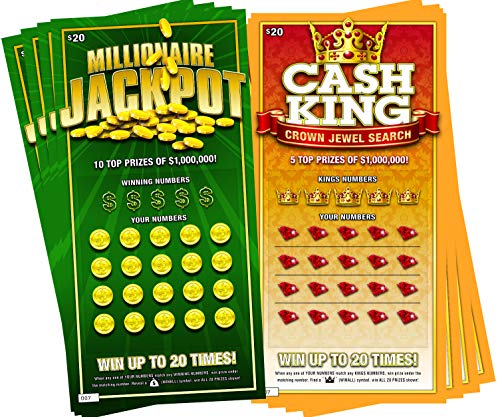
- The five-minute gift. Funny on sight, dead by dessert. Fake lottery tickets, prank cans, anything whose punchline is fully delivered in the first two seconds. Fine if it cost less than a coffee and was always meant to be disposable comedy.
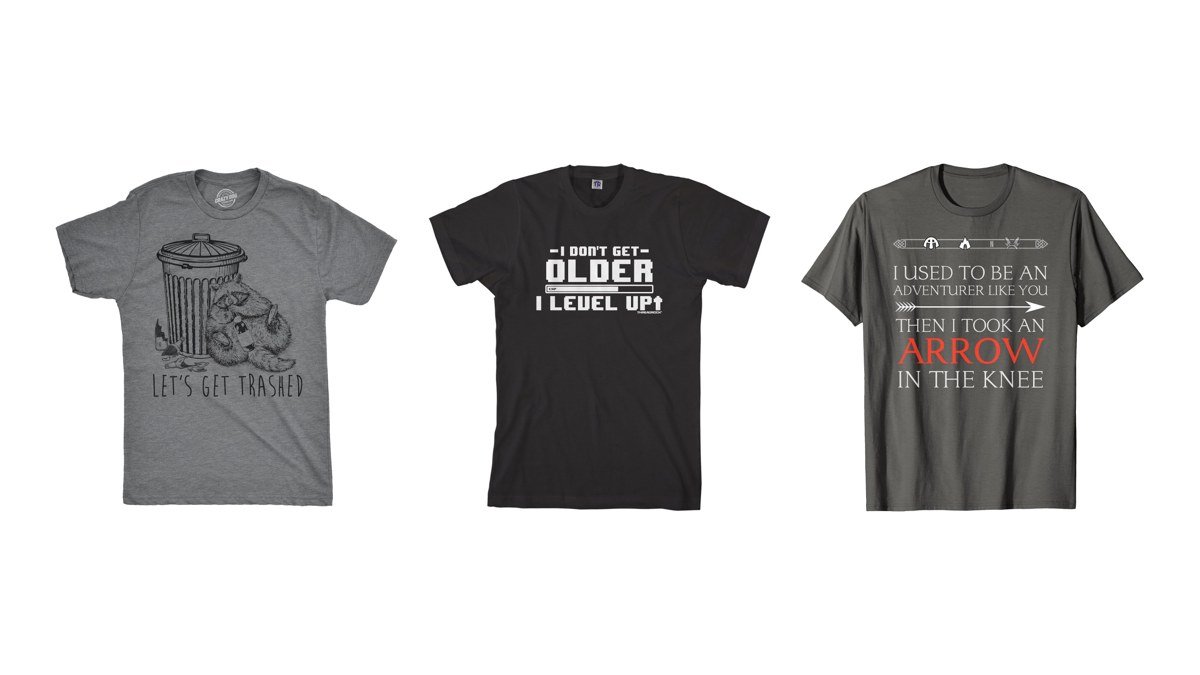
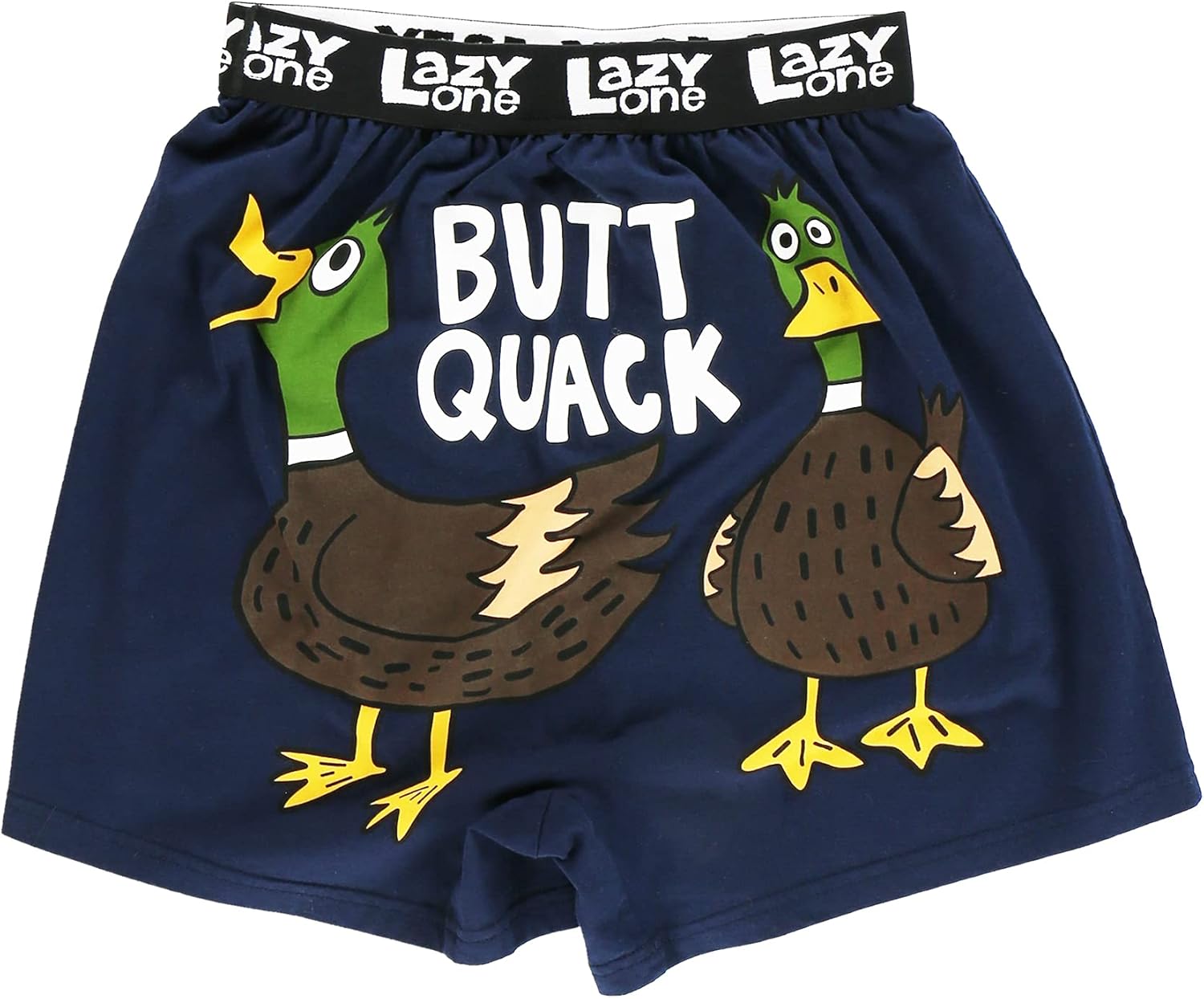
- The one-season gift. Novelty clothing, themed drinkware, decorations that make sense for a specific month. Gets used, gets worn, gets photographed, then gets stored and possibly resurrected annually. Decent value if it survives the wash.
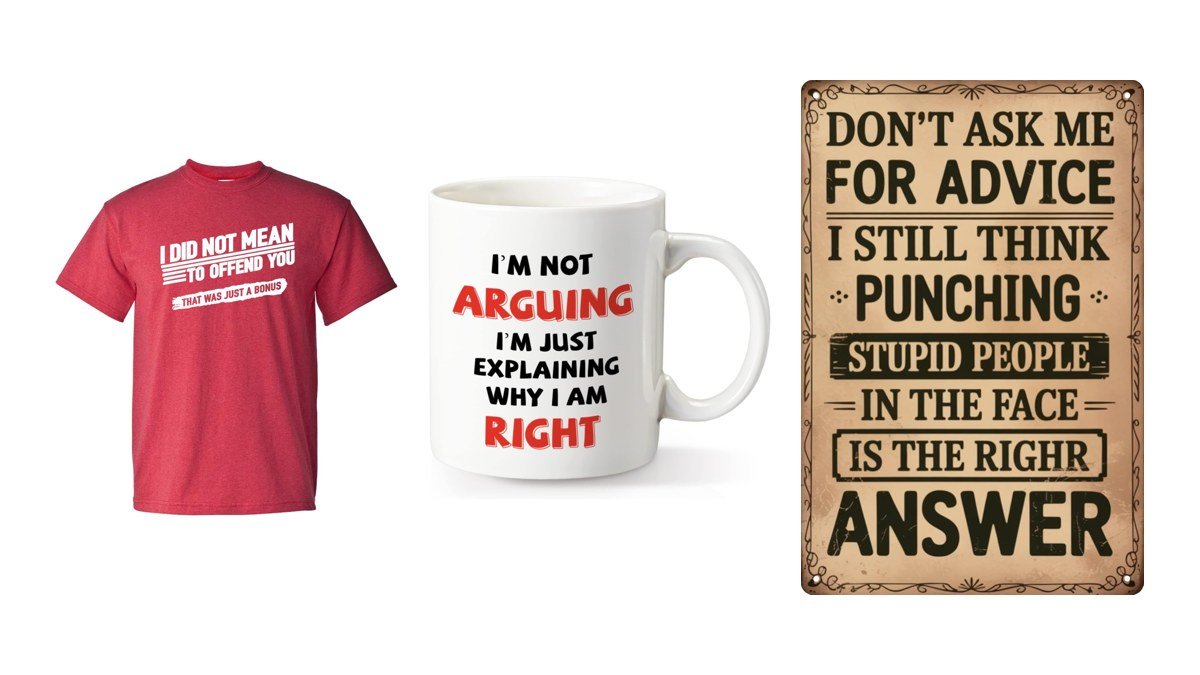
- The permanent resident. The item that finds a spot in the house and stays there. Usually functional and only incidentally ridiculous: a mug, a lamp, a chopping board, a piece of art nobody asked for. These are the ones that quietly justify the entire category.
The mistake most people make is paying permanent-resident prices for five-minute gifts. Spend twenty-five pounds on something with a two-second lifespan and you have not bought a joke, you have rented one.
Where the money genuinely goes to waste
There is a specific type of failure worth naming, because it is the reason the whole category has a bad reputation.
- Anything with a battery compartment sealed with a screw you do not have. One good outing, then silence.
- Novelty items that are also bad at their function. A funny corkscrew that mangles corks becomes an object of resentment rather than affection.
- Gifts that only make sense to you. If the joke requires a three-minute preamble about something that happened at work in 2019, you have bought yourself a present and made someone else carry it home.
- Anything sized wrong. Enormous inflatable things are hilarious in a shop and immediately a storage problem in a flat.
- The mean one. Any gift whose humour depends on the recipient being the punchline. It costs money and social capital and it never gets displayed.
That last one is the real waste. A joke gift should make the recipient feel seen, not audited. If you are shopping for someone whose taste is a mystery, a browse through weird gifts for men who are impossible to shop for will get you further than guessing at an insult.
The disposal problem nobody factors in
Every gift has an ending, and joke gifts tend to have worse endings than most. A jumper gets worn out. A novelty item gets abandoned in full working order, which somehow feels worse.
Before buying, ask what happens in eighteen months. Can it be passed on? Would anyone else want it? Is it made of one material or fourteen fused together in a way that defeats recycling? Cheap plastic gag items are very often unrecyclable, and the ones with electronics are worse.
This is a strong argument for consumables. A ridiculous hot sauce, a jar of something dubious, an absurdly flavoured snack: these produce the laugh, get eaten, and leave behind a jar. There is no long tail of guilt. If you want the joke without the clutter, weird food gifts that actually taste good are the most guilt-free option in the category, because the packaging is the only thing that outlives the gag.
When a novelty gift is objectively the correct choice
There are situations where a serious gift is the worse purchase. Not the less funny one – the actively worse one.
- Gift exchanges with a price cap. A cheap sincere gift is just a cheap gift. A cheap ridiculous gift is the highlight of the afternoon. This is the natural habitat of the weird white elephant gift, where being useful is almost a disadvantage.
- People who buy everything they want. You cannot out-shop someone who already owns the good version of everything. You can only surprise them.
- Milestone birthdays. Nobody remembers the fifth candle-set. They remember the thing that made the room go quiet and then loud.
- Group settings. A gift that generates a shared moment has value spread across everyone present, which improves the arithmetic considerably.
That last point is why party-friendly items punch above their weight. Something built for a room full of people earns its cost repeatedly, which is the logic behind stocking up on party games and funny gift ideas for game night rather than one-to-one gags.
The functional joke: best value in the category
If you take one principle away, make it this: the best joke gifts have a job.
A mug is used every morning. Socks are worn. A lamp is switched on. A bottle opener opens bottles. When the ridiculous thing is also the thing someone reaches for daily, the cost per laugh collapses to almost nothing and the disposal problem is deferred indefinitely, because functional objects are kept.
This is where weird home decor nobody needs but everyone wants quietly wins. A strange object on a shelf works every single day without asking anything of anyone. The same principle covers desk items, kitchen tools, and anything worn where other people can see it.
Wearables have an unusual advantage: they generate laughs from strangers, which means the recipient did not pay for the joke and still gets the credit. Good novelty clothing that is actually funny is functional comedy with a genuinely long shelf life, provided the printing survives contact with a washing machine.
A quick test to run before you buy
Five questions. If you answer yes to four, the money is well spent.
- Will they laugh without needing the joke explained?
- Does it do something, hold something, or go somewhere?
- Would they be happy for a visitor to see it?
- Is the price in line with the expected number of laughs?
- Can it be given away, eaten, or recycled at the end?
Three out of five and you have a fun evening. Two or fewer and you have bought a landfill deposit with wrapping paper on it.
What to actually do with your money
Buy the functional joke. Every time. Spend your budget on something that has a daily or weekly job to do and happens to be absurd while doing it, because that is the only version of this purchase where the arithmetic works in your favour rather than against it.
If your budget is small, spend it on something consumable or wearable. If your budget is moderate, buy one good permanent resident instead of four gags. If you are shopping for a group, buy the thing that makes the room laugh together, because shared laughs cost less per person.
And if you are still nervous about it, start in the safest part of the category: funny gifts under 25 that do not look cheap are the sweet spot where the risk is low and the payoff is high. Novelty gifts are only a waste of money when you buy the punchline and forget the object attached to it.