You are still thinking about it, aren’t you. The moment the wrapping came off, the pause, the polite noise that was not quite a laugh. If you have been quietly asking yourself why my gag gift wasn’t funny, the good news is that the answer is almost never “you have no sense of humour.” Joke gifts fail for structural reasons, and structural reasons can be fixed. The gift was probably fine. The delivery system around it was the problem.
What follows is a diagnostic. Four common causes of death, how to spot which one got you, and what to buy instead so the next one lands with an actual audible reaction rather than a nod and a slow reach for the next present.
Cause of death one: the joke needed you to explain it
The single most reliable way to kill a gag gift is to have to say the words “because remember when you…” Explaining a joke gift is like explaining a magic trick mid-trick. Everyone is now watching you work.
This happens when the humour lives in context the room does not share. An inside joke between two people, unwrapped in front of eleven, becomes a small performance about a friendship nobody else is in. The recipient may genuinely love it. They will also feel obliged to laugh for the crowd, which is the exact opposite of a laugh.
The fix is not to abandon inside jokes. It is to match the joke’s audience to the room’s audience:
- One-on-one gift, private joke. Deeply specific, absolutely fine, will be treasured.
- Family gathering, joke everyone can decode in three seconds. Visual, physical, obvious.
- Office or party, joke about a universal human experience. Bad mornings, hating exercise, needing coffee to be a person, the indignity of adulthood.
If you are shopping for a gathering with mixed audiences, universal beats clever. Something like a genuinely bizarre object for the mantelpiece works because the joke is contained entirely in the thing itself, which is why weird home decor with no functional justification tends to land in a full room. Nobody needs a briefing.
Cause of death two: it looked like it cost four dollars
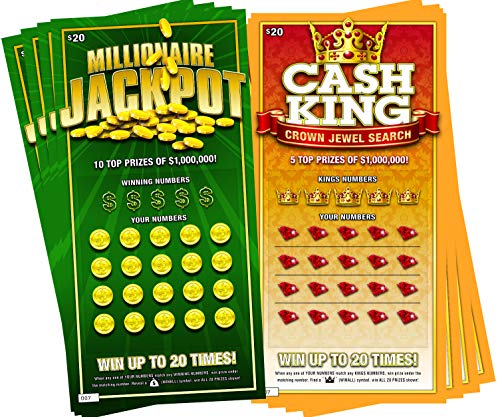
There is a specific texture to cheap novelty. Thin plastic. A print that is slightly off-centre. Packaging with a starburst on it. The recipient clocks all of this in under a second, and the joke gets processed as “low effort” before it gets processed as “funny.”
This is unfair, because plenty of hilarious gifts are inexpensive. But perceived effort is doing enormous invisible work in gift giving. A funny gift that feels solid reads as “I thought about you and then went and found this.” A funny gift that feels flimsy reads as “I was in a shop.”
The signals of a joke gift that survives inspection:
- It is made of a real material. Ceramic, metal, thick cotton, actual wood.
- It has a use, even a stupid one. Usable objects get kept.
- The design is committed. Half-hearted novelty is worse than full-throated novelty.
- It does not have a price sticker fused to it forever.
You do not need to spend a lot. You need to spend it in the right place. There is a whole category of funny gifts under twenty-five dollars that do not look cheap, and the difference between those and the petrol station aisle is almost entirely material quality and design confidence.
Cause of death three: you aimed at the person you think they are
Sometimes the gift is objectively funny and completely mistargeted. You bought a joke about someone’s personality as you understand it from the outside, and it landed on a sore spot, or worse, a boring spot.
The classic version: you buy your brother-in-law something about golf because he mentioned golf in 2019. The joke is not about him. It is about your filing system for him. He can tell.
The other classic version: you buy a joke about a trait the person is mildly self-conscious about. Age, hair, single status, drinking habits, general chaos. The joke lands and hurts at the same time, and they laugh at eighty percent volume while making a note.
Good targeting works from what someone talks about voluntarily. The obsession they bring up unprompted is safe territory, because they have already decided it is part of their identity. If someone tells you about their pour-over setup at length, they are handing you a map, which is why unhinged gifts for coffee obsessives land so reliably. Same principle with pet owners who describe their dog’s emotional state in detail. There is a reason gifts for people who spoil their animals rotten almost never miss. You are joining in on a joke they started.
Cause of death four: the room was wrong
Timing and setting kill more gag gifts than content does. The same object can be a triumph at a rowdy Friday night and a disaster at a Sunday lunch with someone’s grandmother present.
Things that change the temperature of a room:
- Sober versus not. A joke that needs momentum will die in a quiet room.
- Order in the sequence. Your gag gift after someone else’s heartfelt photo album is a hard follow.
- Who else is watching. Bosses, in-laws, children, exes. All temperature changes.
- Whether the gift is the whole gift. A joke as the only present can read as a statement. A joke alongside something real reads as a bonus.
Structured chaos beats freelance chaos. In a gift exchange where everyone has agreed the point is absurdity, nothing can misfire, which is why the format matters as much as the object. A well-run white elephant exchange built around genuinely strange gifts gives every joke permission to exist. The same object handed over at a birthday dinner has to do all that work alone.
The two-second test every joke gift should pass
Before you buy, imagine the unwrapping in real time. Not the idea of the gift. The physical moment.
Ask yourself: in the first two seconds, before anyone speaks, does the recipient understand what this is and why it is ridiculous? If yes, you have a working gag gift. If the answer requires a sentence from you, you have a story you are telling with a prop.
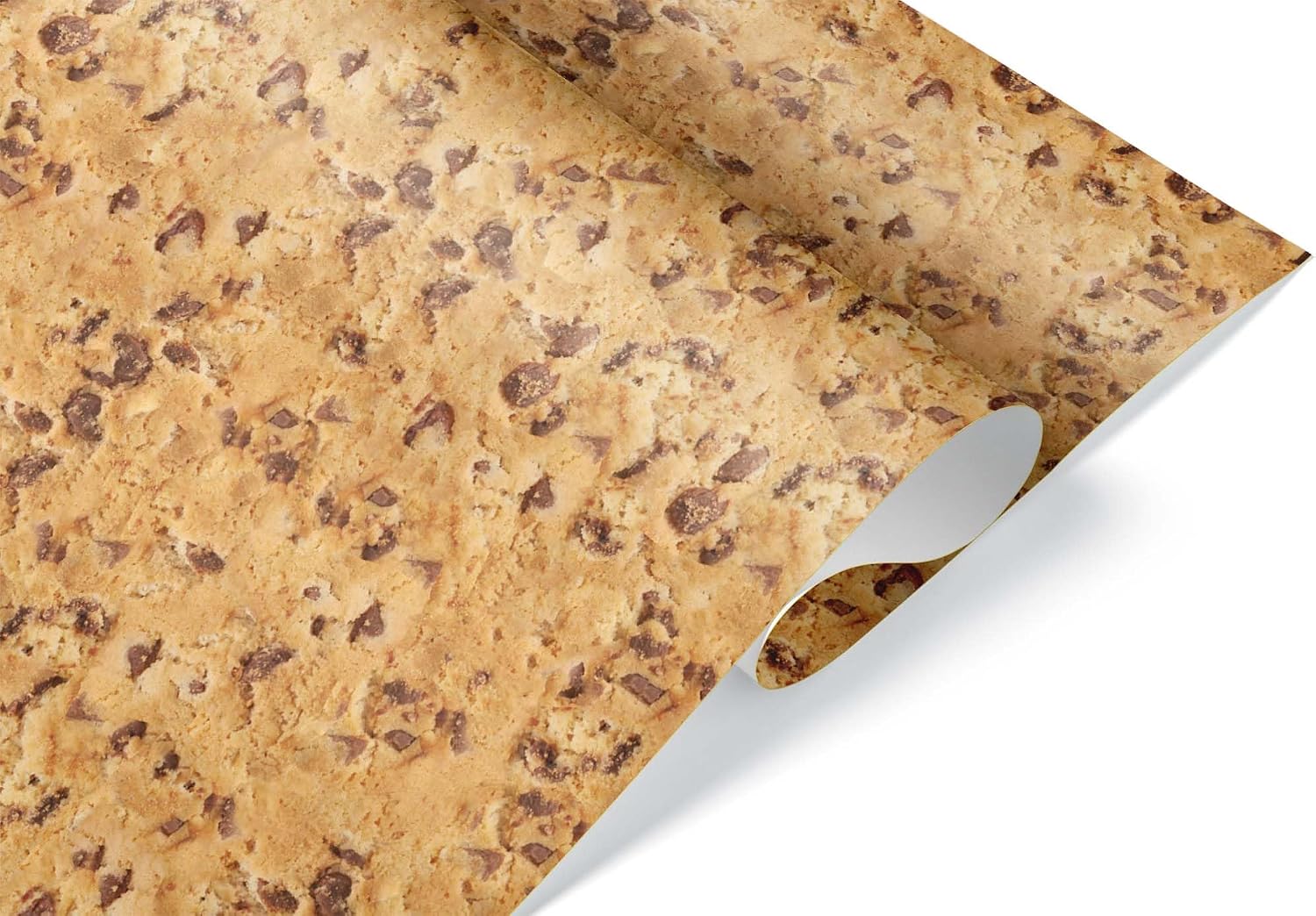
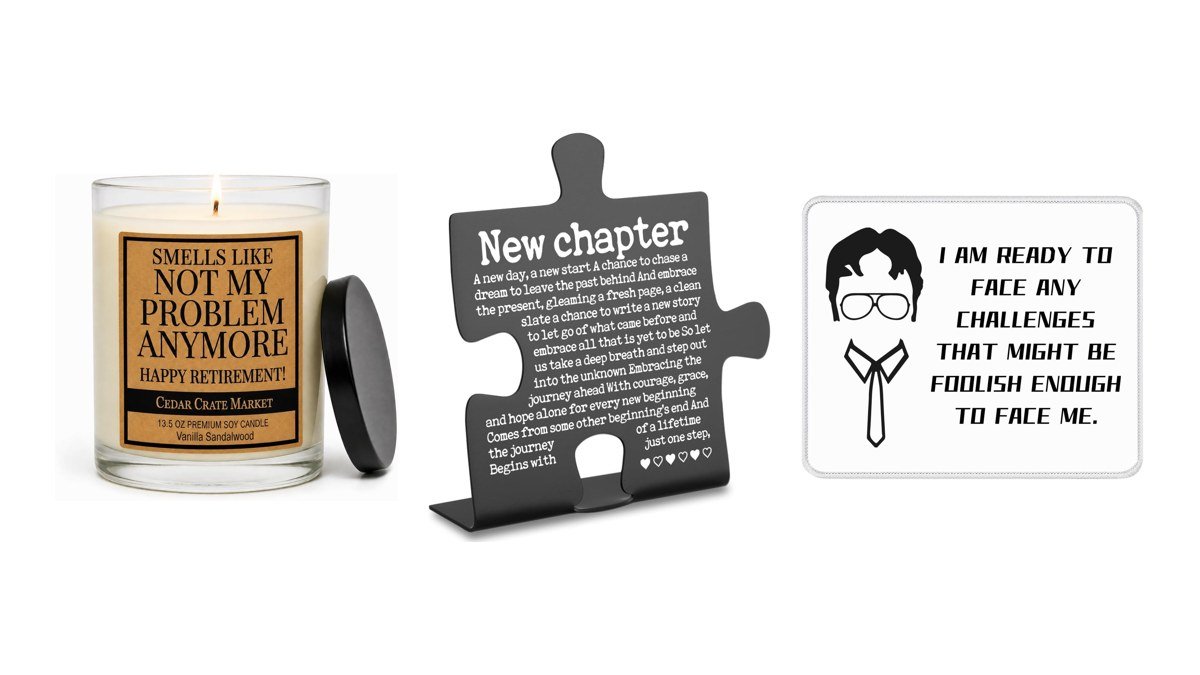
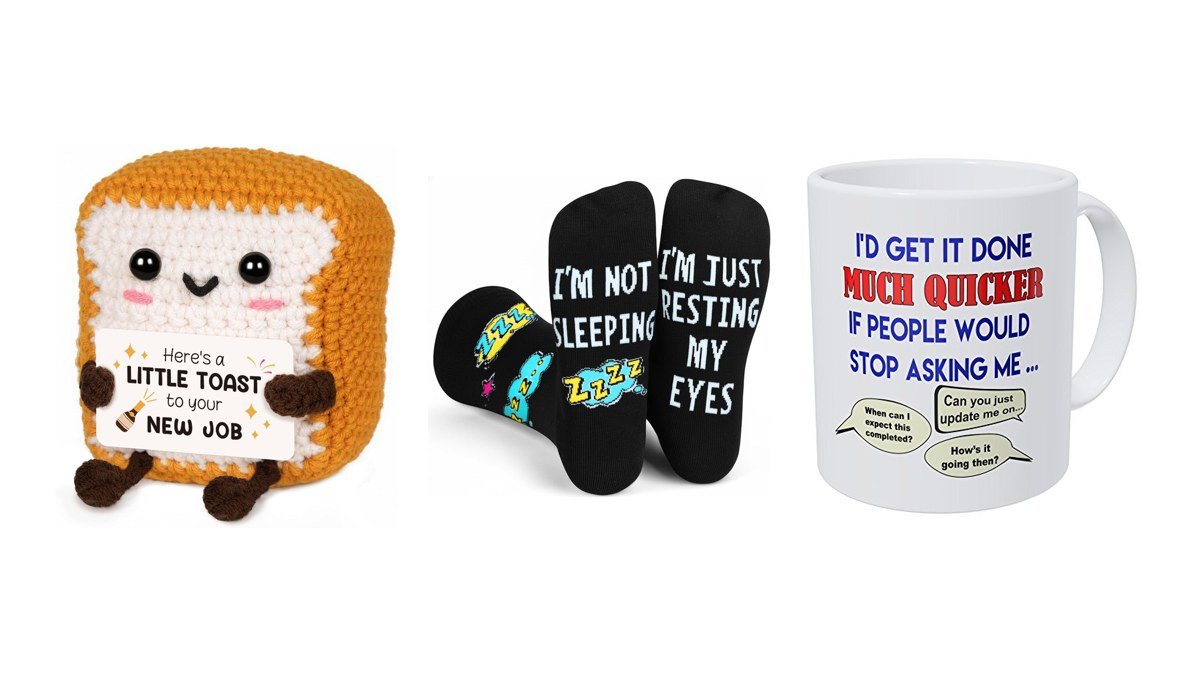
The best joke gifts are visually self-evident. The shape is wrong. The scale is wrong. The subject matter is inappropriate for the object it has been printed on. All of this reads instantly. Wordy gifts are slower, which is why long slogans on mugs almost never get a real laugh – reading is not funny, recognition is.
What to buy when you need a guaranteed reaction
Some categories are structurally reliable because they combine instant readability with an actual use. If you want to reduce risk, shop these:
- Wearables with the joke hidden until it is not. Socks and boxers are the great safe bet, since the recipient controls when the joke is public. The novelty clothing that is genuinely funny rather than just loud works on this exact principle.
- Food with a horrifying flavour. A shared experience gift. Everyone gets involved and there is a taste test built in.
- Gadgets that solve a problem nobody has. Absurd engineering reads immediately and gets demonstrated on the spot.
- Games. They convert the joke into an activity, which extends the laugh past the unwrapping.
- Objects for a specific hobby taken too far. The joke is enthusiasm, which is affectionate rather than pointed.
The unifying feature is that all of these do something after the moment passes. A gag gift that keeps generating small amusements over months is worth five that get one laugh and then live in a cupboard.
Recovering from a gag gift that already died
If you are reading this in the aftermath, the move is not to apologise for the joke. Apologising retroactively confirms it did not work, and now everyone has to reassure you, which is more work than the original gift.
Instead, let it sit. Plenty of joke gifts are delayed-fuse devices. The recipient finds it in a drawer in March, laughs properly for the first time, and sends you a photo. This happens far more often than the unwrapping moment suggests. Quiet rooms are bad juries.
If it genuinely landed badly rather than flatly – if you hit a nerve – a short and unfussy “that came out meaner than I meant” is sufficient. Do not build a monument to it.
What to actually do next time
Here is the recommendation, stripped of hedging. Stop shopping for the funniest thing you can find and start shopping for the funniest thing that fits the specific room you will be standing in.
For a mixed group, buy something physically absurd with a use, under thirty dollars, made of a real material. For a close friend one-on-one, go as specific and unhinged as you like. For someone impossible to read, work from their declared obsessions rather than your read on their personality – the well of weird gifts for men who are impossible to shop for exists precisely because “he likes sport, I guess” is not a strategy. And if the occasion is a birthday where you would otherwise reach for a gift card, pick something with a joke built into the object itself so the humour survives without you in the room.
Then hand it over without a preamble. No setup, no “okay so this is going to sound weird.” Just give them the thing and let it do the work. If the gift needs an opening act, the gift is not ready.