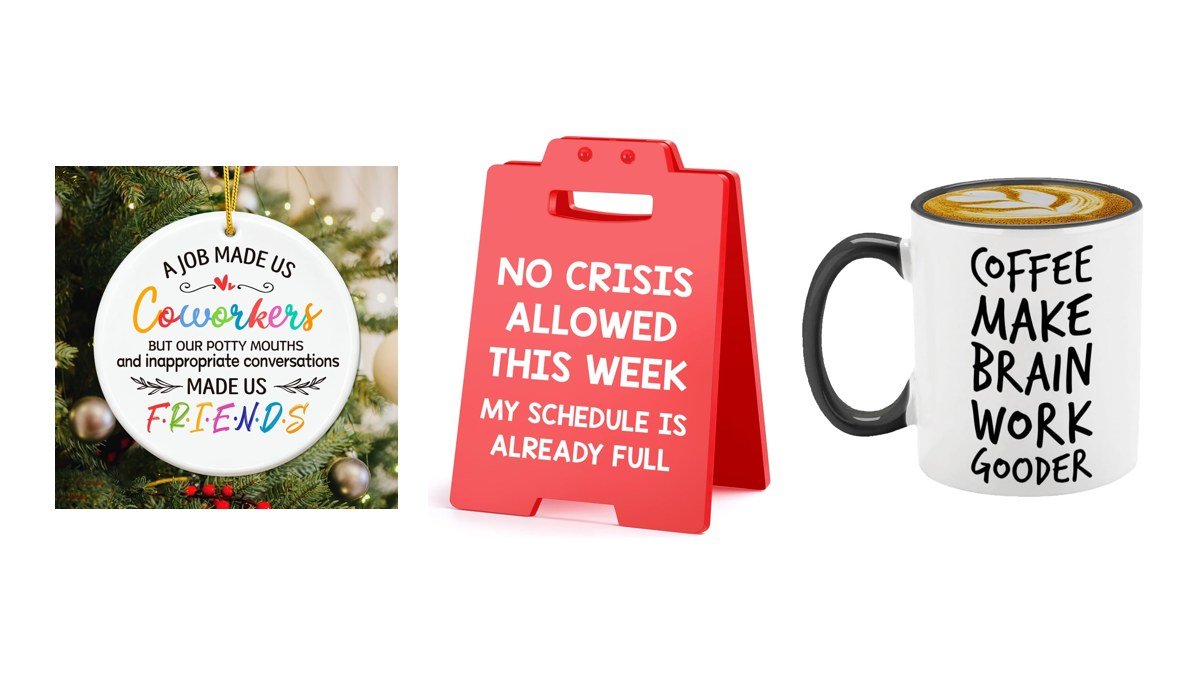
Gift giving seems like a straightforward social transaction — you give something, they receive it, everyone acknowledges the gesture. But the psychology behind gift giving is surprisingly complex, and the science of why weird gifts work so well illuminates something important about how gifts function socially and emotionally. Understanding why weird gifts land explains not just what to buy, but what gifts are actually for.
What Gifts Are Really Communicating
Gift giving is fundamentally a communication act. Researchers studying gift giving consistently find that recipients evaluate gifts not primarily on their monetary or utilitarian value, but on what they communicate about the giver’s knowledge of, attention to, and care for the recipient. A gift that communicates “I know you” outperforms a gift that communicates “I chose something nice” almost universally.
This is the structural advantage of the weird gift: a genuinely unusual item, calibrated to the specific recipient, communicates intimate knowledge. It says “I paid close enough attention to know you’d appreciate this specific absurdity.” Generic gifts, regardless of their price, communicate generic effort — which produces the generic response.
The Surprise Factor
Research on happiness and emotional response consistently shows that surprise amplifies positive emotional experiences. The psychological mechanism is attention: we pay much more focused attention to unexpected stimuli than to expected ones, which means unexpected gifts produce stronger emotional responses than expected ones. A weird gift is almost by definition surprising; a conventional gift is almost by definition expected. The weird gift generates more emotional engagement purely by being unexpected.
There’s also evidence that the memory encoding for surprising experiences is stronger than for predictable ones — which explains why weird gifts are remembered longer than conventional ones. The surprise creates a memory trace that a conventional gift doesn’t.
Laughter as Social Bonding
When a gift produces genuine laughter, it creates a shared moment — a bonding experience built into the gift exchange itself. Research on laughter shows that shared laughter is one of the most powerful social bonding mechanisms available, producing neurochemical responses associated with trust, affection, and social connection. A funny weird gift that produces genuine laughter isn’t just entertaining; it’s actively strengthening the relationship between giver and recipient.
The Personalization Effect
Studies on personalization in gift giving show a strong positive relationship between perceived personalization and recipient satisfaction. Personalization communicates attention and effort more directly than price does. A weird gift that is also somehow specific to the recipient activates the personalization effect powerfully: it’s both memorable (the weirdness) and personal (the specificity). The combination is particularly effective at communicating that you know and care about the person.
Practical Implications
The science suggests several actionable principles for weird gift giving: lean into surprise rather than trying to manage recipients’ expectations in advance; prioritize specificity over quality or price; include genuine humor wherever possible; and trust that the initial puzzlement many recipients feel upon receiving a weird gift quickly resolves into appreciation once they engage with the item. Browse our collection of weird gifts — designed to produce exactly the responses the research predicts.