Deciding between a gag gift or real gift for a milestone birthday is one of those small social problems that feels enormous the week before the party. A 30th, 40th or 50th carries weight that a random Tuesday birthday does not. People take photos. Someone’s parents are there. There is often a speech. And into that atmosphere you are about to hand over either a thoughtful object or a rubber chicken wearing a tiny sash, and you genuinely cannot tell which one is correct.
The good news is that this is a solvable problem. Not with taste, exactly, but with a few questions asked in the right order. A joke present can be the best thing on the table. It can also read as though you remembered the occasion in the car park. The difference is rarely the gift itself. It is context, audience and whether you did one extra thing.
Start with the room, not the recipient
Everyone begins by asking whether their friend has a sense of humour. Wrong first question. Almost everyone has a sense of humour. The real variable is the setting in which the gift gets opened.
Gifts opened in front of a crowd are performances. They need a punchline that lands in under three seconds, because that is how long a group of people will look at an object before returning to their drinks. Gifts handed over privately can be slower, weirder and more specific, because there is time to explain and no audience pressure to fake delight.
So sort the event first:
- Big party, gifts opened publicly. A joke gift works well here, but it must be legible from across a room. Subtle irony dies in a crowd.
- Dinner with six people. Ideal conditions for something odd and personal. This is where the strange, hyper-specific gifts shine.
- Family gathering with multiple generations. Keep the joke clean and the object presentable. Grandparents are unpredictable allies.
- Handed over in private, no ceremony. The joke can be as niche as you like. Nobody else needs to get it.
If you do not know which of these you are walking into, ask. It is a less awkward question than the one you will be asking yourself later.
The three-question test before you commit
Here is the framework. Answer honestly, because nobody is watching.
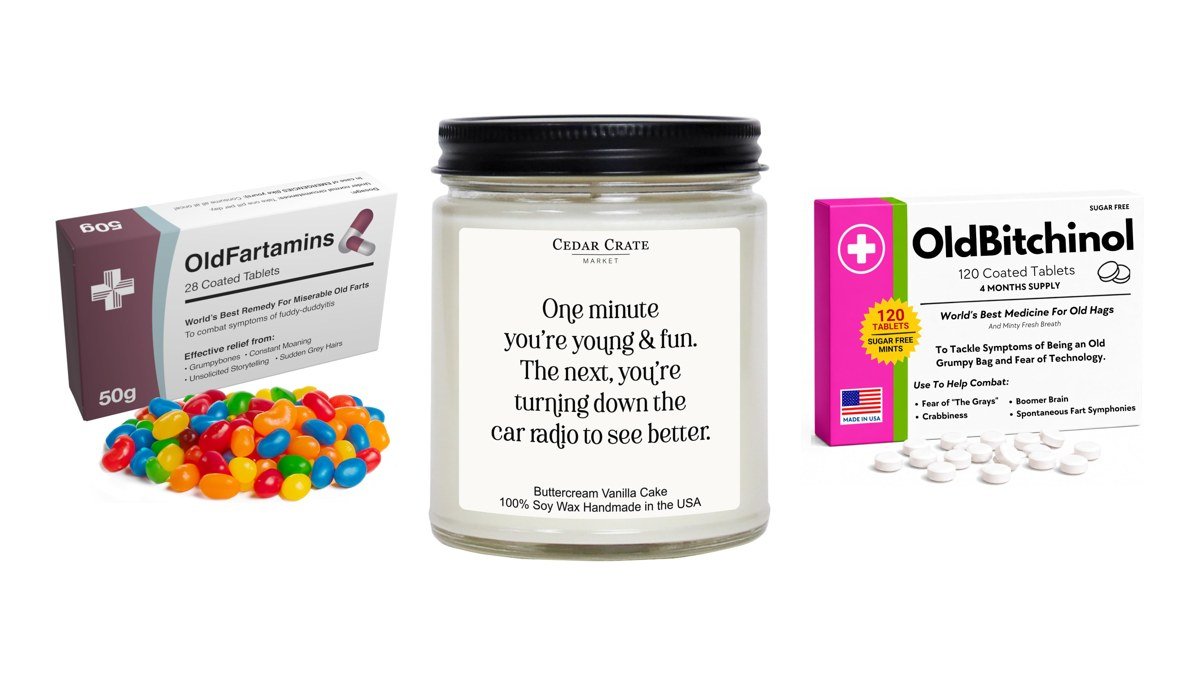
- Does the joke require the recipient to be the butt of it? If the humour depends on them being old, fat, single, bald or unsuccessful, you are not giving a gift. You are giving a small public comment with wrapping paper on it. Milestone birthdays already come with a faint whiff of mortality. Do not add to it.
- Would they still find it funny in a week, alone, in their kitchen? Good gag gifts have a second life. Bad ones are funny for eleven seconds and then become an object that has to be stored.
- Is this the only thing you are giving? A joke gift as the whole gift raises the stakes considerably. A joke gift alongside something real is nearly always safe.
Pass all three and you can proceed with confidence. Fail the first one and start over. Fail the second or third and you have a fixable problem, which we will get to.
When a gag gift is genuinely the better choice
There are situations where the joke is not the risky option. It is the correct one.
The first is when the person already has everything they need and has said so repeatedly. Someone turning 50 who has been buying their own belongings for three decades does not need a nicer version of a thing they already own. They need to be surprised. A well-chosen absurd object does that; a mid-range kitchen gadget does not.
The second is when the friendship itself is built on bits. Some relationships run entirely on running jokes, and a sincere gift in that context feels like a stranger wrote it. If you and this person have been escalating something ridiculous for years, the milestone birthday is the natural place to escalate again.
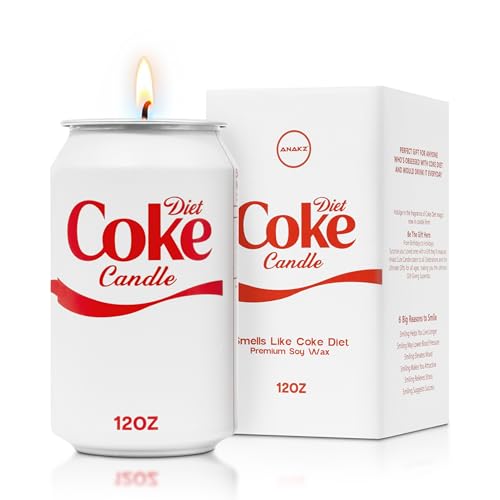
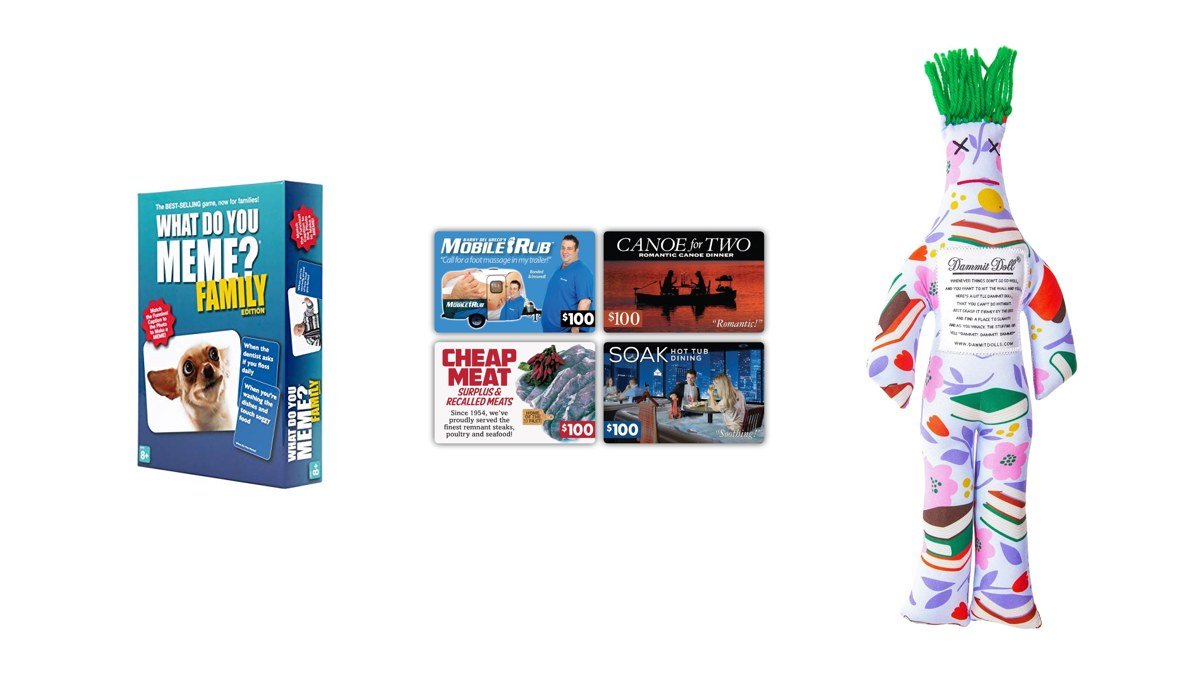
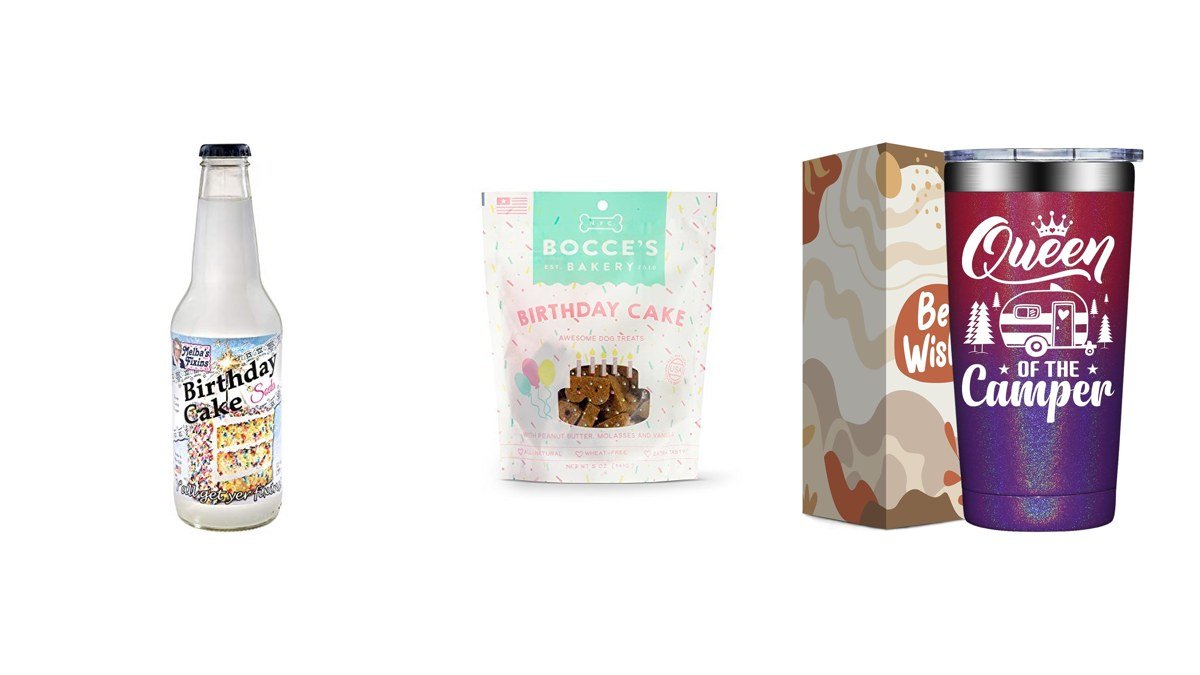
The third is when the joke is also a functional item. This is the sweet spot and it is worth chasing. A ridiculous mug still holds coffee. Genuinely funny novelty socks and boxers still go on feet and, one hopes, elsewhere. Absurd home objects still sit on a shelf and do their job of being looked at. The gift does not become clutter because it has a purpose to hide behind. This is why strange home decor that nobody needs but everyone wants tends to survive a house move, while the inflatable novelty item does not.
When a joke present reads as lazy
The lazy gag gift has a specific signature and people can spot it instantly.
It is generic. It says something about being 40 that could have been said about any 40 year old on earth. It came from a display stand near a till. It arrives with no card, no context and no evidence that you thought about this particular person for more than a moment. The humour is about the number, not the human.
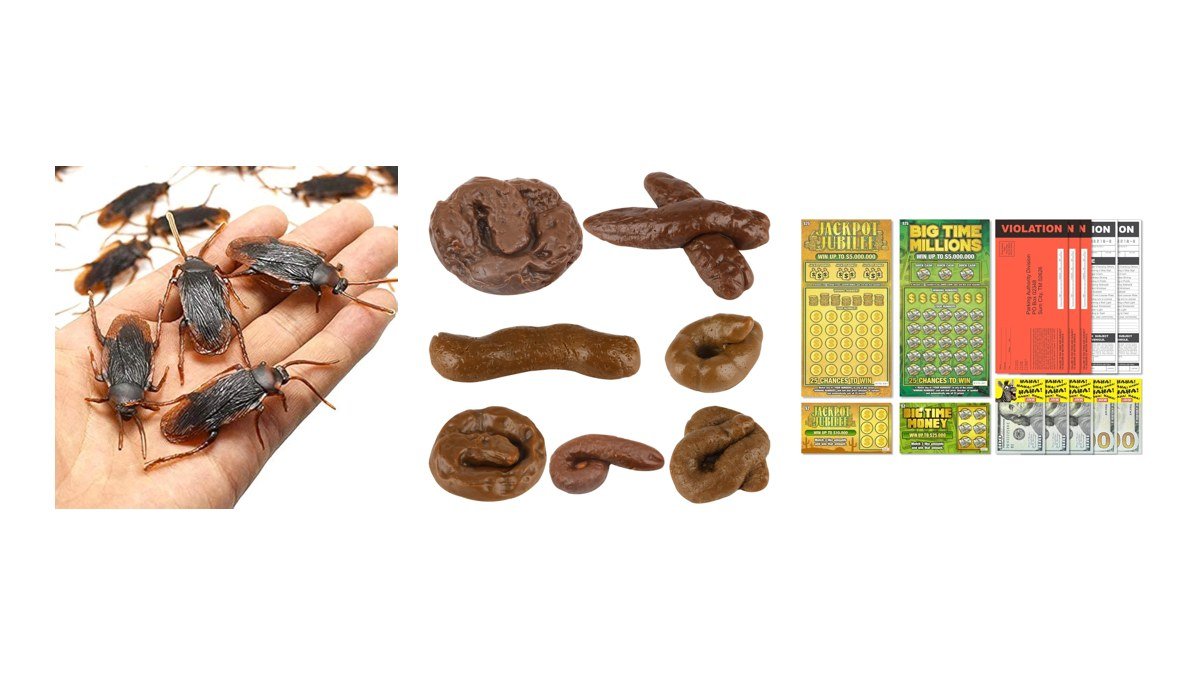
It also tends to be disposable in a way that everyone in the room can see. If the object’s only possible future is a bin, the joke carries a faint undertone of “I did not want to spend money on you.” That is a hard note to un-ring at a party.
Two more warning signs. First, if you find yourself planning to explain the joke while they unwrap it, the joke is not working. Second, if the gift is really a joke about you and your taste rather than anything to do with them, reconsider. Self-indulgent gifts are the ones that get left behind on the table.
The stack: how to have both
The single most reliable answer to gag gift or real gift is: both, deliberately, in that order.
You open with the joke because it is fun and it gets the laugh. Then you hand over something real, which lands harder because they had already accepted that the ridiculous thing was it. The joke becomes a setup rather than the whole act, and the sincere gift gets a moment it would never have had on its own.
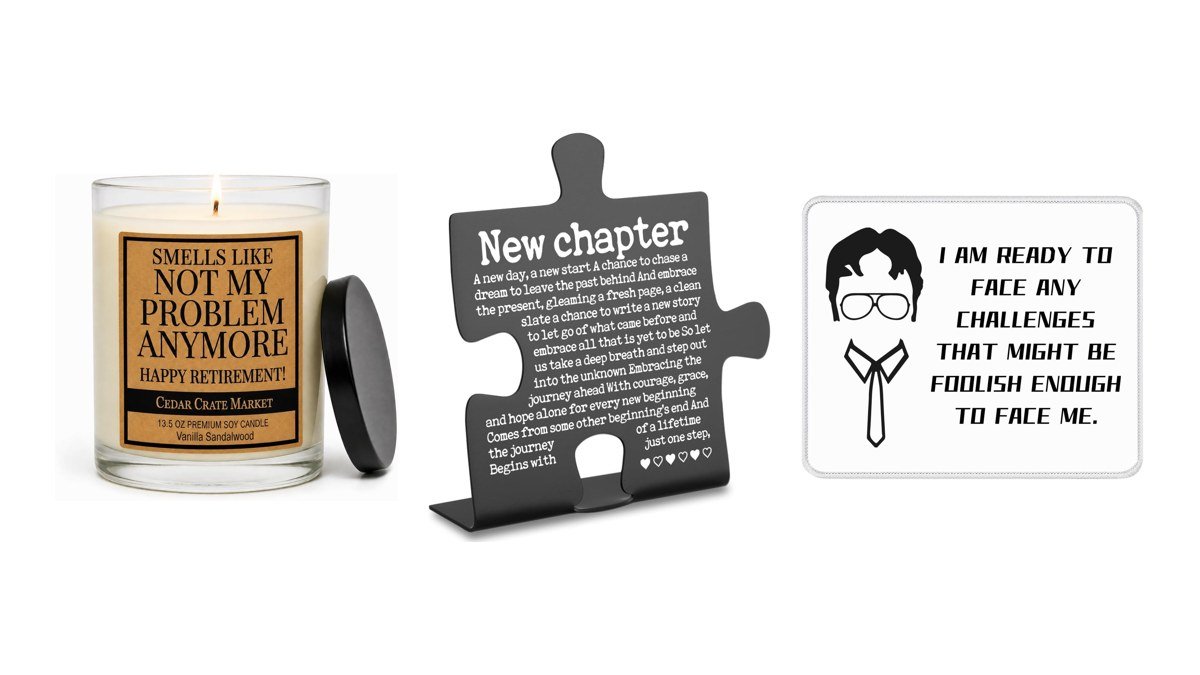
This works at any budget. The joke half does not need to cost much and it should not. Plenty of funny gifts under 25 that do not look cheap will carry the comedy without eating the budget you wanted to spend on the actual present. And if you are stuck for the sincere half, remember that sincere does not mean boring. A well-chosen odd object that they will genuinely use counts.
Milestone by milestone: what tends to land
The numbers do behave differently, whether or not anyone admits it.
Thirtieth. Still broadly a comedy occasion. Most people at 30 are not sentimental about aging yet and the crowd skews toward friends rather than family. Jokes about being tired, being bad at adulthood or owning too many houseplants land well. Jokes about being over the hill do not, because nobody believes it.
Fortieth. The trickiest one. Some people treat 40 as a genuine reckoning and some treat it as nothing. Read the person, not the number. The safe play at 40 is a joke about their specific personality rather than their age, paired with something good. If they have an all-consuming interest, lean into it hard. There are enough absurd gifts for coffee obsessives alone to fill a birthday.
Fiftieth. Counterintuitively often the most receptive audience. People at 50 have generally made peace with it and quite enjoy being teased. What they do not enjoy is a gift that treats them as fragile or finished. Aim for playful, not commemorative.
Matching the gift to the person, not the milestone
The best gag gifts are specific to a hobby, an obsession or a well-documented character flaw. This is the difference between “funny” and “funny about you.”
If they talk about their dog more than their partner, there is a whole category of ridiculous gifts for people who spoil their animals rotten waiting for you. If they are the one who ruins every board game night by taking it too seriously, aim there. If they are the friend everyone gives up on shopping for, the various weird gifts for men who are impossible to buy for exist precisely because generic gifts kept failing.
Specificity is also your insurance policy. A gift that clearly required knowledge of the recipient cannot read as lazy, even if it is deeply stupid. Effort is visible.
What to actually do this week
Buy the real gift first. Set the budget for it, choose it, and stop worrying about whether it is exciting enough, because that is not its job. Its job is to be genuinely wanted.
Then add one joke, small and specific, chosen because of something true about this person rather than something true about their age. Give the joke first at the party, let it land, and follow it with the real thing. If the setting is a big public unwrapping, keep the joke visually obvious. If it is a quiet dinner, go as niche as your friendship allows.
And if you genuinely only have room for one gift, choose the joke only when the person has everything, hates sincerity, or has been trading absurd presents with you for years. Otherwise choose the real gift and save the comedy for a birthday where the stakes are lower. Milestone birthdays are not the place to test a new material.