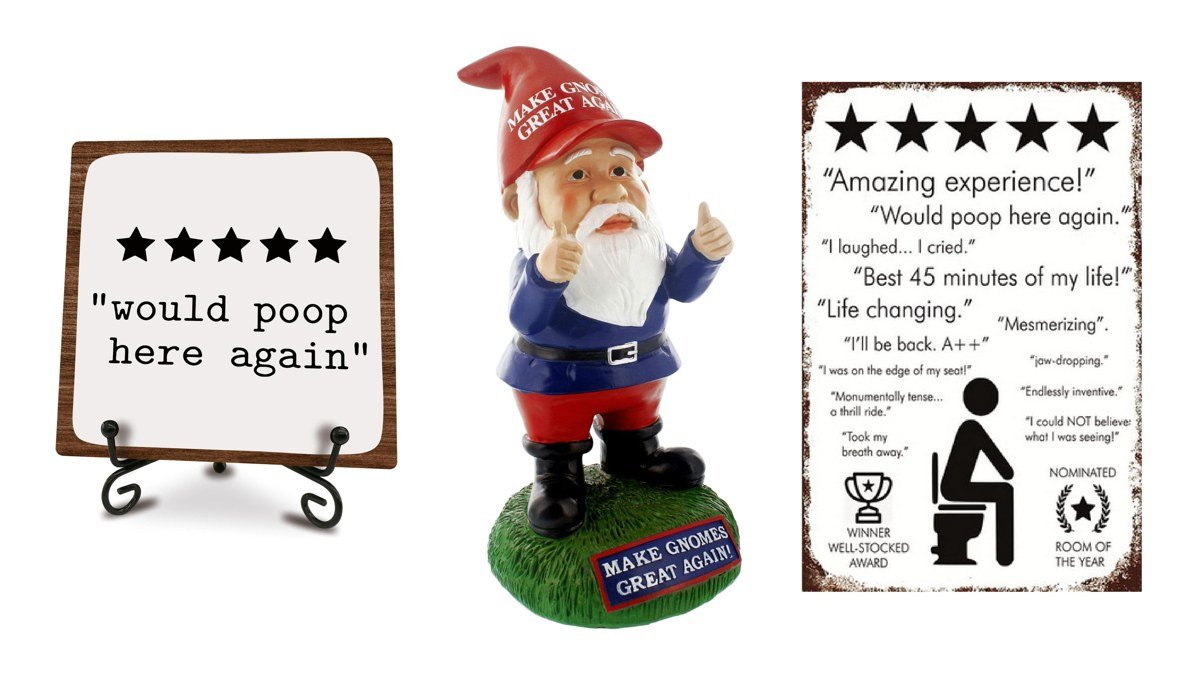
If you’ve been reading along this month, you now have a working knowledge of the weird gift landscape: why these gifts work, when they’re appropriate, how to calibrate to different recipients and occasions, and where to find genuinely excellent options at every price point. This final guide synthesizes everything into a practical framework you can use for every gift-giving occasion from this point forward. After this, you have no excuse for giving a boring gift ever again.
The Core Principle: Every Good Gift Is a Specific Gift
The single most important thing to internalize about weird gifts — or any gift — is that specificity is the variable that drives success. A weird gift that is specific to the recipient (their humor, their interests, their life right now) outperforms a weird gift that is merely unusual. A conventional gift that is specific to the recipient outperforms a conventional gift that is merely expensive. Specificity communicates attention, attention communicates care, and care is what gifts are actually for.
The question “what should I get them?” is the wrong starting point. The right starting point is “what do I know about them that nobody else knows as well as I do?” The answer to that question is where the gift lives.
The Framework
Step 1: Identify the Signals
Think about recent conversations. What did they mention with enthusiasm? What did they complain about? What are they going through right now? What did they say they wanted to do someday? What inside joke defines your relationship? These signals are the raw material of a specific gift. Write down the three most salient things about this person in your mental model of them.
Step 2: Find the Weird Version
Take the most specific and interesting signal and look for the weird version of a gift in that territory. If they’re obsessed with a specific TV show: not the standard merchandise, but the most unusual or absurdist item in that show’s extended gift universe. If they’ve been stressed about a specific situation: not a generic self-care gift, but a novelty “survival kit” specifically referencing their specific situation. If they made a specific joke recently: find the item that is that joke made physical.
Step 3: Check the Context
Apply the context filter: is this occasion one where weird is welcome? Is the relationship close enough for this specific level of weird? Will there be an audience for this gift, and if so, is the humor right for that audience? Adjust the level of weirdness to the context without abandoning specificity.
Step 4: Execute with Confidence
Present the weird gift with the specificity acknowledged — “I saw this and immediately thought of you because [specific reason]” — rather than hoping the connection is obvious. The explanation isn’t weakening the gift; it’s completing it. The fact that you connected a specific item to a specific thing about them is the gift. Don’t obscure it.
The Metric for Success
A weird gift has succeeded when the recipient, months or years later, still has the item or still references the moment. The gift that produces “I still use that thing every day” or “I still laugh when I think about that” has created lasting value. That’s the standard. Browse our complete weird gift collection — organized by occasion, recipient, and budget, with every item chosen for exactly this kind of lasting impact.