You have found the perfect gift. It is strange, it is funny, and it is shaped like a trombone that has been in an accident. Now you need to know how to wrap an awkwardly shaped gift without the wrapping itself broadcasting the punchline from across the room. Because the sad truth of novelty gifting is that the shape is often the joke, and a thin layer of paper stretched over a very specific silhouette is not wrapping. It is subtitles.
The goal here is not neatness. Nobody has ever cried with joy over a crisp corner fold. The goal is delayed recognition: the recipient should hold the parcel, guess wrong, guess wrong again, and only understand what they are holding after the paper is off. That is the entire game. Here is how to win it.
Understand what actually spoils the surprise
Before you start taping things, work out which of these four tells your gift has, because the fix depends on the leak.
- Silhouette. Handles, spouts, snouts, legs, antlers. Anything that pokes out reads instantly. A mug is a mug the second the handle appears.
- Weight. Something suspiciously heavy for its size says ceramic or cast iron. Something suspiciously light says fabric or foam.
- Sound. Rattles, sloshes, squeaks. Anything with a battery in it will announce itself when the box tips over.
- Smell. Candles, coffee, anything cured or fermented. You cannot wrap a scent, you can only compete with it.
Most weird gifts leak on at least two of these. Once you know which, you stop wrapping and start staging.
The decoy box: the single best trick you have
The decoy box is exactly what it sounds like. You put the strange object inside a box that suggests something completely different, then wrap the box. The shape problem disappears because you are no longer wrapping the shape.
Good decoy boxes to hoard year-round:
- Shoe boxes. Universally recognised, roomy, and they set an expectation that is almost never met.
- Small appliance boxes. A kettle box or a blender box implies a sensible adult gift. The disappointment-to-delight swing is enormous.
- Cereal or pasta boxes. Ideal for smaller items, and the recipient will spend a good ten seconds genuinely wondering if you have bought them bulk penne.
- Long thin boxes. Poster tubes, wine boxes, anything that gives no information at all.
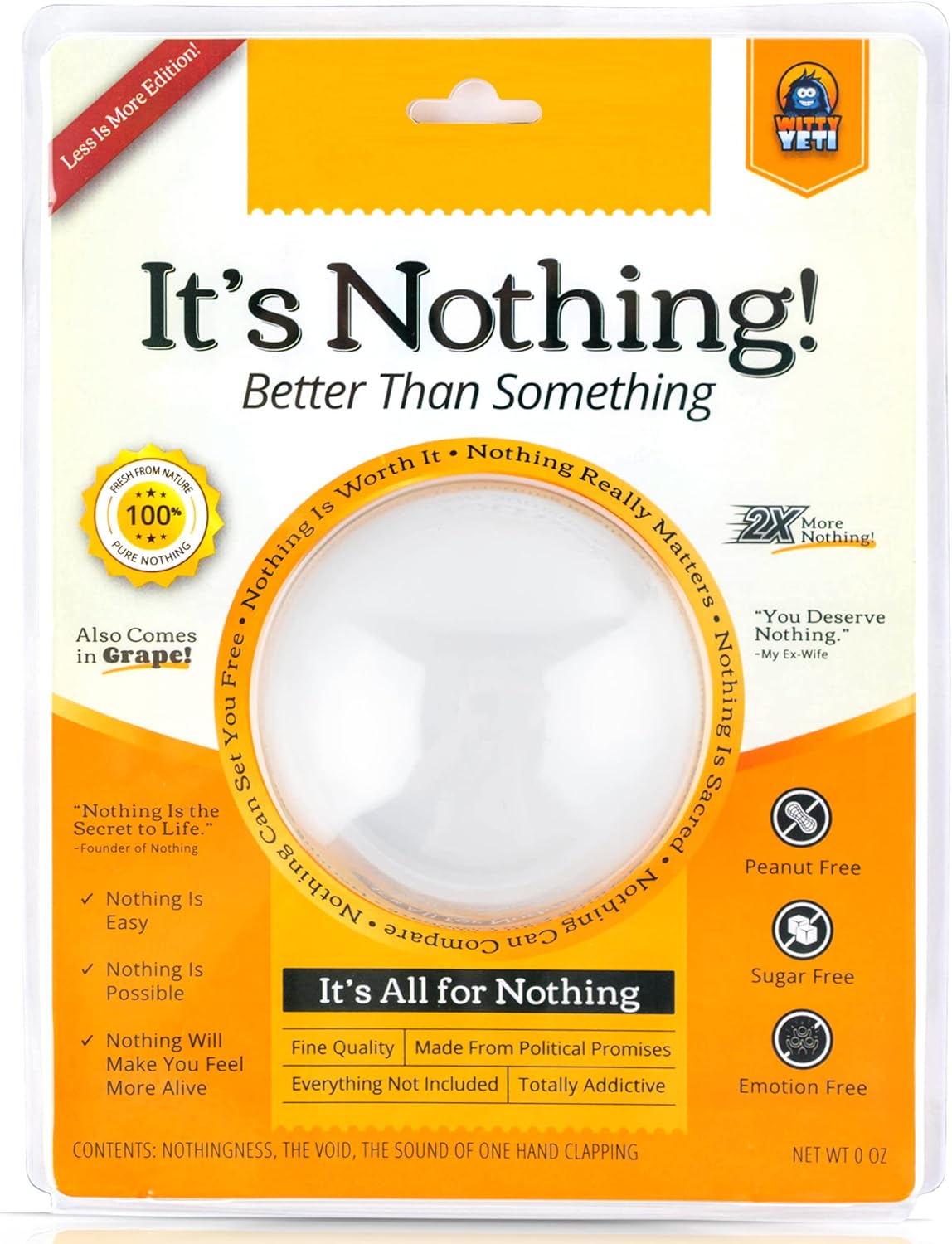
The advanced version is the nesting decoy: small item inside a small box inside a bigger box, with the gaps filled so nothing shifts. This is standard practice for anything from a round-up of funny gifts under twenty-five dollars, where the whole effect depends on the recipient assuming you spent more and then discovering you spent your money on something far better than sense.
How to wrap something round without making a mess
Round things are the hardest, because paper is flat and spheres are not. There are two honest approaches.
The gathered pouch. Cut a generous square of paper, place the object dead centre, then bring all edges up to a point above it and bind with ribbon or a twist tie. You get a fabric-like bundle. It looks intentional, it hides curves reasonably well, and it takes about ninety seconds.
The panel wrap. Wrap the object in a strip of paper around its middle, folding the top and bottom in like you are wrapping a tin can. Then cover each open end with a circle of paper taped down. Slightly fussy, but it turns a sphere into a squat cylinder, which is a much less readable shape.
Either way, use soft crepe or tissue rather than stiff glossy paper. Stiff paper resists curves and creases into a shape map.
Wrapping long, spiky and generally uncooperative objects
Some gifts are essentially sticks. Some have protrusions that make them look like abstract sculpture the moment the paper goes on. For these, add bulk before you add paper.
- Pad the outline. Bubble wrap, towels, socks or crumpled paper taped around the object turns a distinctive shape into a vague lump. Lumps are excellent. Lumps tell you nothing.
- Build a false shape. Tape cardboard offcuts to the outside of the padding to create a corner or a bulge that does not exist on the real item. Cruel and extremely effective.
- Go bag, not box. A drawstring bag full of shredded paper, with the object buried inside, works well for anything with a handle. Great for oddly shaped weird tech gadgets that come in packaging with a photo of themselves printed on it.
On that last point: if the retail box has a picture of the product on it, you must cover it. Wrap the box in plain paper first, then wrap it again in your nice paper. Two layers, no windows.
Misdirection: the part most people skip
Wrapping hides the object. Misdirection makes the recipient hide it from themselves by guessing confidently and wrongly. This is where the real fun lives.
- Add a lie in weight. Tape a couple of coins, a rock or a spare phone charger inside the box. Heavy parcels imply serious gifts.
- Add a lie in sound. A handful of dry rice or a few buttons in a sealed sandwich bag gives a rattle that suggests parts, pieces or a board game.
- Write a misleading label. “Fragile, this way up” on something unbreakable. “Do not refrigerate” on something that has never been near a fridge. Recipients read labels as clues and clues can be planted.
- Wrap the wrong number of gifts. Three identical parcels, one real gift, two filled with socks. Chaos, and cheap chaos at that.
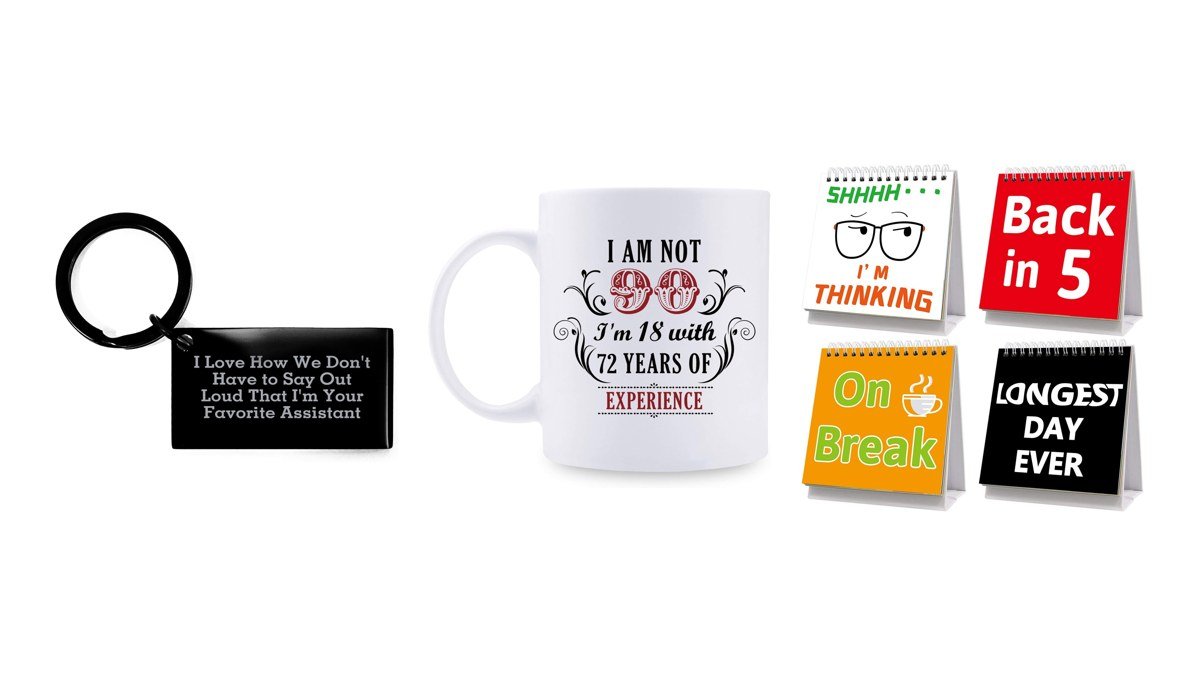
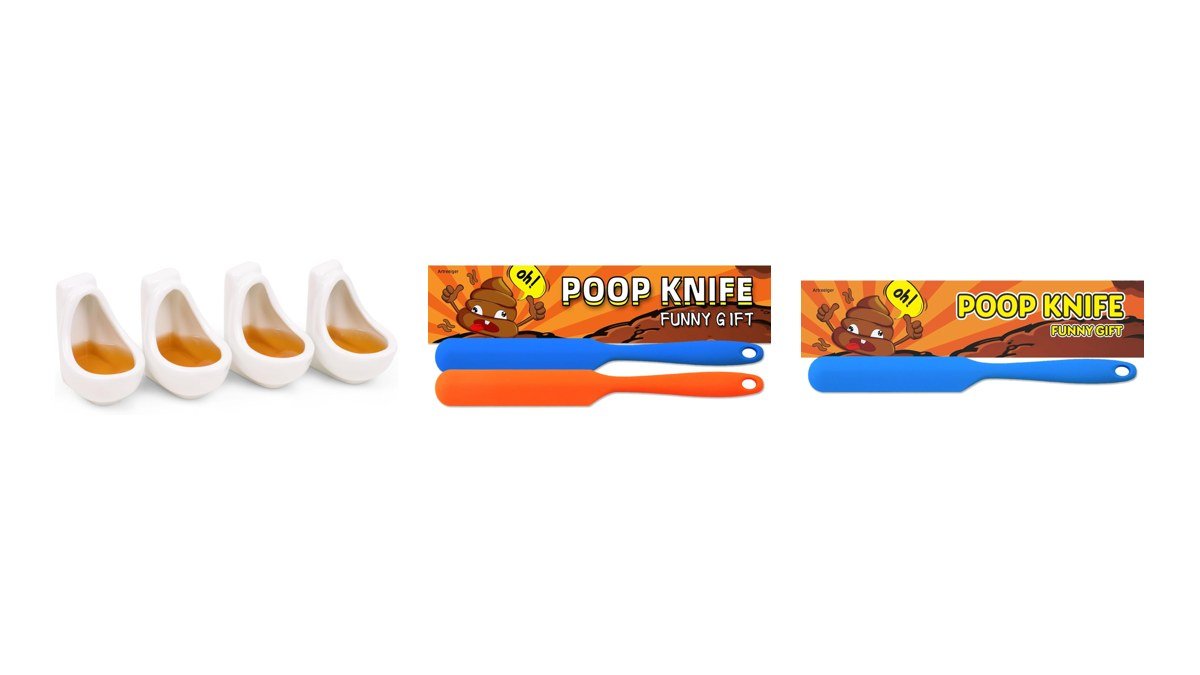
Misdirection is essential when the gift is loud in personality as well as shape. Half the fun of anything from a list of gifts for the person with no shame is the moment of realisation, and that moment should arrive all at once rather than in instalments.
Special cases: soft, smelly and battery-powered
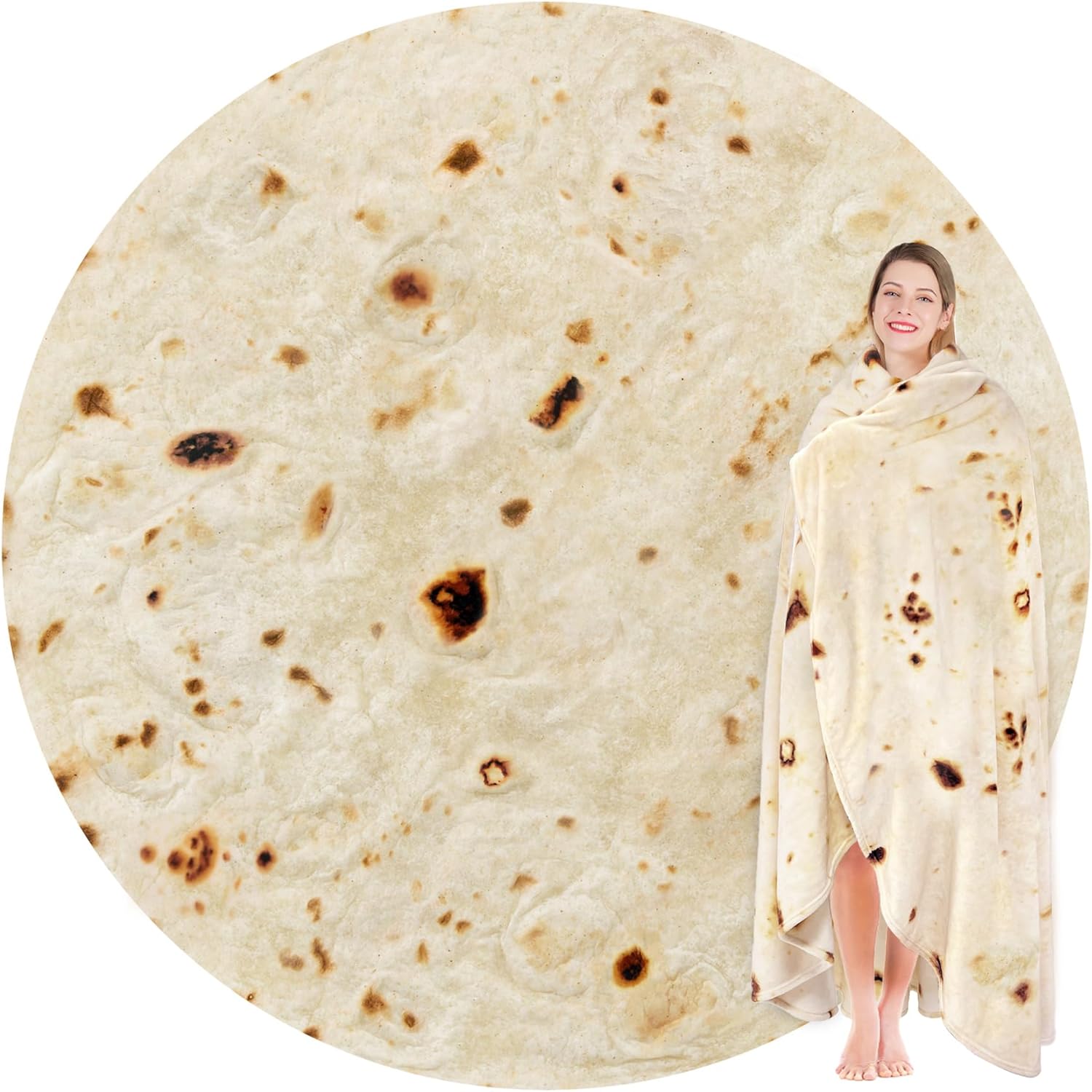
Soft things. Clothing is the easiest thing in the world to identify by squeeze. Fix this by boxing it, or by rolling it tightly around a cardboard tube so it feels rigid. Novelty socks and boxers are almost always given away by touch, which is a shame when you have gone to the trouble of finding novelty clothing that is actually funny rather than merely printed.
Smelly things. Seal in a zip bag first, then box, then wrap. If the gift is food, consider leaning in: put a mild decoy scent nearby, like a bag of coffee beans in the same box, and let them chase the wrong flavour.
Battery-powered things. Remove the batteries. Every experienced gift wrapper has learned this the hard way, usually via a parcel that started talking under the tree at two in the morning. Tape the batteries to the inside of the lid so the recipient does not spend the afternoon hunting for them.
Group settings, where the stakes change
At a gift exchange, presentation carries more weight than it does at home, because people are choosing parcels blind. A large, well wrapped, satisfyingly heavy box gets fought over. A recognisable shape gets skipped or gets targeted, depending on how obvious it is.
If you are entering something into a white elephant exchange, wrap for maximum ambiguity and maximum bulk. Oversized box, plain paper, no bow that hints at fragility. Make it the most desirable object in the pile, then reveal that it is a lamp shaped like something that should not be a lamp.
The same logic applies to anything you are bringing to a party where gifts get opened publicly, including the sort of items you would find on a list of game night gift ideas. Public unwrapping means the build-up is half the entertainment. Do not waste it on a shape everyone recognises from the doorway.
A short list of materials worth actually owning
- Plain kraft paper. Forgiving, cheap, works on curves better than glossy paper, and takes a marker if you want to write false labels.
- Tissue and crepe. For gathering and pouching round objects.
- Cheap masking tape. Easier to reposition than clear tape, and mistakes are inevitable.
- Shredded filler. Hides objects inside oversized boxes and stops the telltale slide.
- A few sizes of plain box. Flat-packed, stored somewhere, ready. This is the single highest-return purchase in gift wrapping.
What to do if you only have ten minutes
Here is the recommendation, stripped down. Put the object in the biggest plain box you can find. Fill the gaps with anything soft so it does not rattle unless you want it to rattle. Add something heavy in one corner. Wrap the box in plain kraft paper, one layer, tape wherever you like, then write a confidently misleading label on the top. Done in under ten minutes, and the shape has been erased completely.
If you have longer and the gift genuinely deserves theatre, go with nesting boxes and a decoy scent, and give yourself a proper decoy story to tell as you hand it over. That is when this works best: a gift that is already funny, hidden inside packaging that makes its own small joke first. Whether you are wrapping something for a person who is impossible to shop for or trying to disguise the outline of something distinctly odd for the home, the trick is the same. Hide the shape, plant a wrong idea, then let the paper come off all at once.